
How it formed
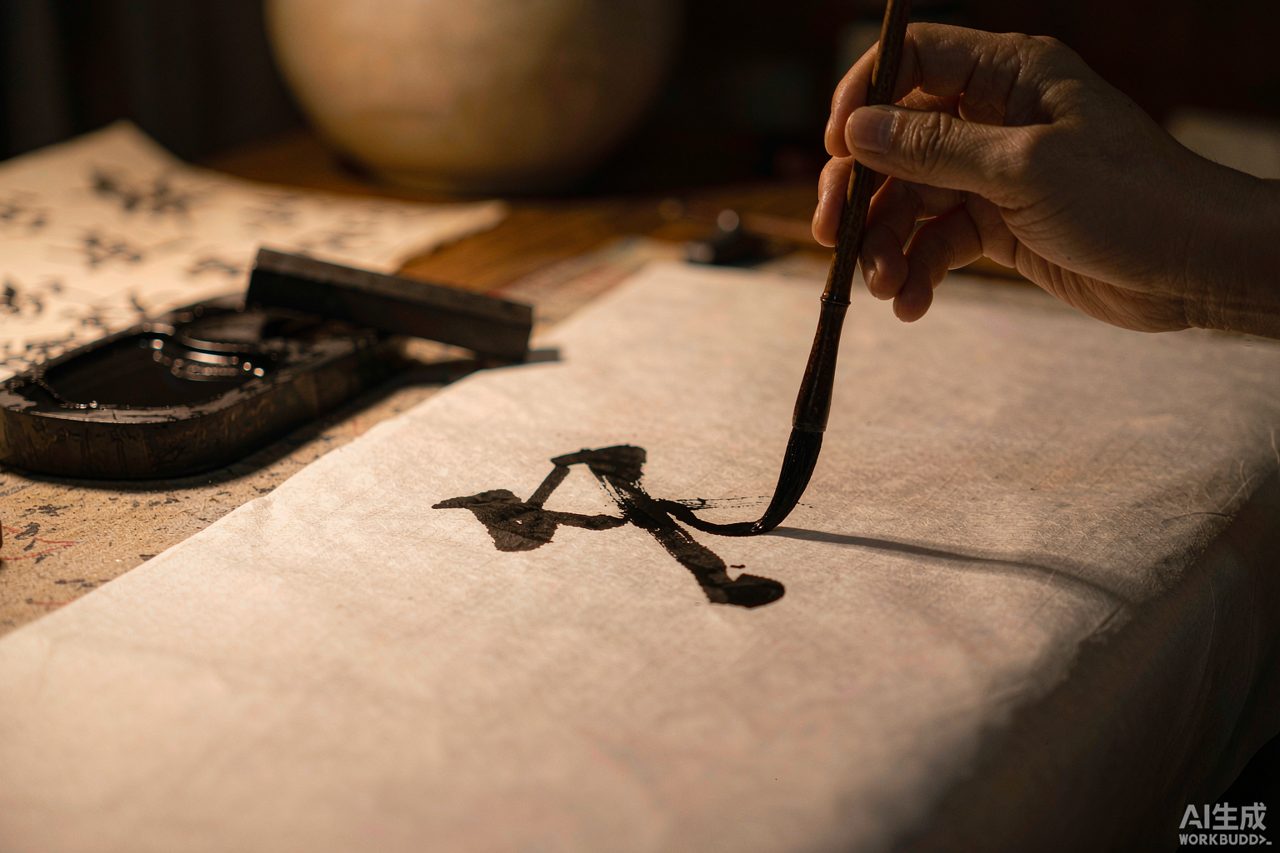
Calligraphy grew from the same writing system that unified China after Qin - but by the Han dynasty, the written character had become an art in its own right, judged by the energy, balance, and rhythm of the brushstroke rather than by legibility. Six dynasties of masters developed the great scripts: seal, clerical, regular, running, and cursive - each a different relationship between discipline and freedom.
Because the exam system made writing the doorway to office, the brush was every scholar's first instrument. The result is unusual in world art: for two thousand years, the most prestigious artist was not a painter or sculptor but a good writer.
Where it began
As a court and scholar tradition in the northern capitals, spreading with the exam system nationwide. The "sage of calligraphy," Wang Xizhi, worked in the Eastern Jin (4th century); his Orchid Pavilion preface remains the most famous piece of writing in the language. Today the living tradition is everywhere: temple plaques, shop signs, spring festival couplets pasted on doorways, and the water calligraphers in public parks practicing with brush-sized sponges on the pavement.
What it means
Calligraphy encodes the culture's deepest aesthetic: form revealing character. Handwriting was read as a moral portrait - the person is in the line. That is why a plaque's brushwork can outrank the building it hangs on, why executives hang calligraphy rather than paintings, and why "practicing characters" was considered character-building. When you look at a scroll, you are reading a person.
Adapted and translated from the Baidu Baike entry 中国文化 (archived source).
Comments (0)
No comments yet — be the first.