
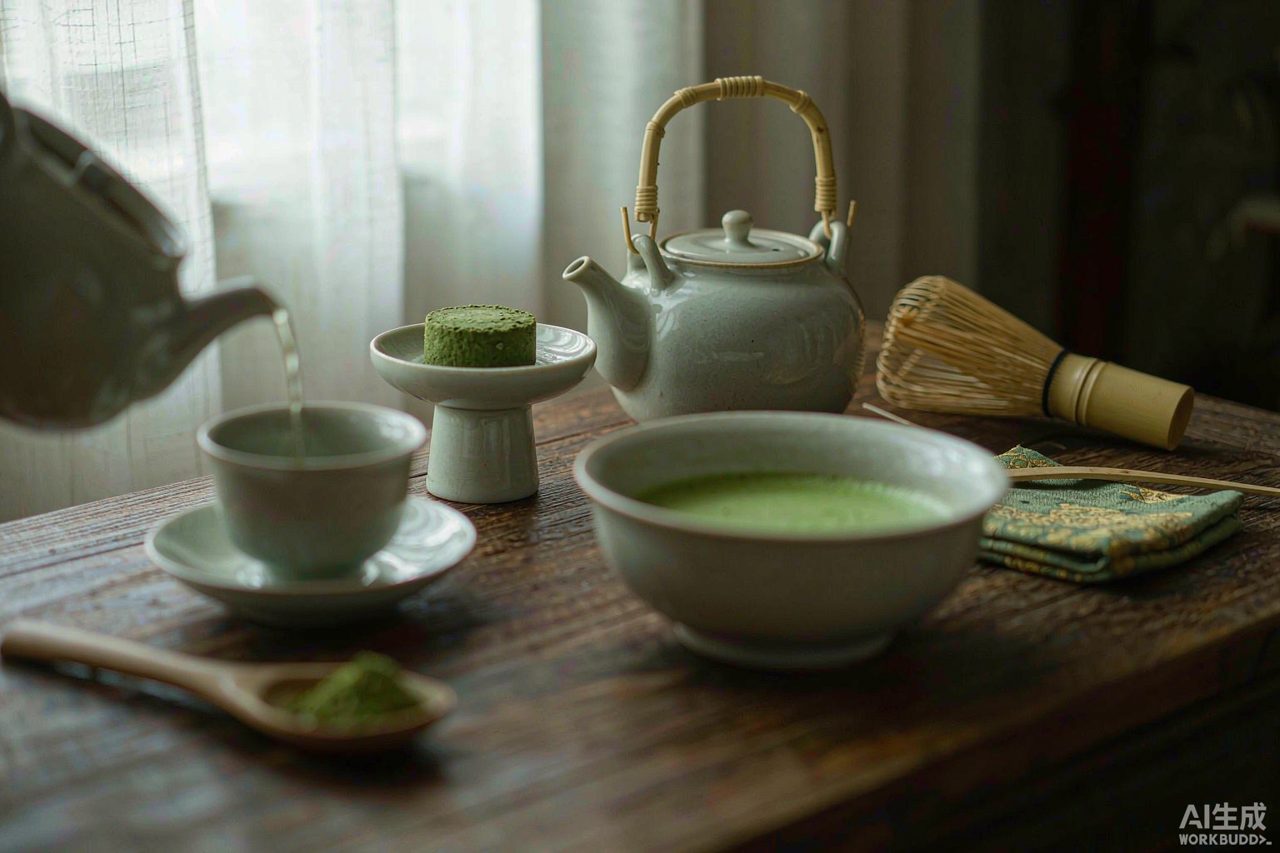
If the Tang was China at its most confident, the Song (960-1279) was China at its most refined. The capital moved to Hangzhou after the northern loss, and the era turned wealth inward into taste: tea whisked in competition-grade ceremonies, porcelain of a subtlety potters still chase, landscape painting that treats emptiness as the subject.
The refinements
Three Song inventions shape what you touch as a tourist. First, tea culture - the whisked powdered tea of the Song is the direct ancestor of Japan's tea ceremony, and its loose-leaf descendant is every teahouse pour today. Second, porcelain - Song kilns set the standard (the word "china" is the product), and the celadon glazes you see in museum shops were perfected here. Third, the examination life - the civil service exam matured into the era's central institution, creating the scholar-official as China's ideal figure: calligrapher, poet, and administrator in one robe.
Neo-Confucianism also consolidated in this period - the synthesis that gave family ethics its orthodox framework for the next thousand years.
Where you meet it
The Song aesthetic survives best in daily rituals: the tea village day outside Hangzhou, Song-style gardens in Suzhou, and the whole genre of "refined leisure" - the teahouse afternoon, the ink-brush souvenir - that every destination sells. The Southern Song capital at Hangzhou left the city its taste for slowness.
What it left behind
An ideal of restraint: that luxury should whisper, that landscape outranks portrait, that a cracked glaze is more beautiful than a perfect one. When a waiter sets a plain celadon cup in front of you, that is the Song still operating.
Adapted and translated from the Baidu Baike entry 中国文化 (archived source).
Comments (0)
No comments yet — be the first.