
Chinese culture did not start in one place or one moment. It accreted: river-valley settlements, competing philosophies, waves of unification and exchange — and the toolkit it produced still shapes how people queue, eat, greet, and argue. The timeline below is the minimum frame that makes the rest of the country legible.
Roots: How Chinese Thinking Took Shape
How Chinese thinking took shape — a timeline you can hold onto, from river valleys to the ideas still shaping daily behavior.
- Early settlementsFarming cultures along the Yellow and Yangtze rivers; jade, silk, millet, rice
- Shang & ZhouAncestor worship, bronze ritual, the "Mandate of Heaven" idea of legitimate rule
- Hundred SchoolsConfucianism, Daoism, Legalism and rivals compete — the era that set the moral vocabulary
- Qin & Han unificationOne script, one bureaucracy, Confucianism as state teaching; "Chinese" becomes political
- Buddhism arrivesSilk Road religion meets local thought; temples, grottoes (Datong)
- Tang cosmopolitan peakOpen, international Chang'an; poetry as social currency
- Song refinementNeo-Confucian synthesis; tea, porcelain, the examination system matures
- Ming & QingThe orthodox canon hardens; ritual and family hierarchy organize daily life
- Modern eraCollapse, reinvention, and the fast re-mix you'll see in the streets
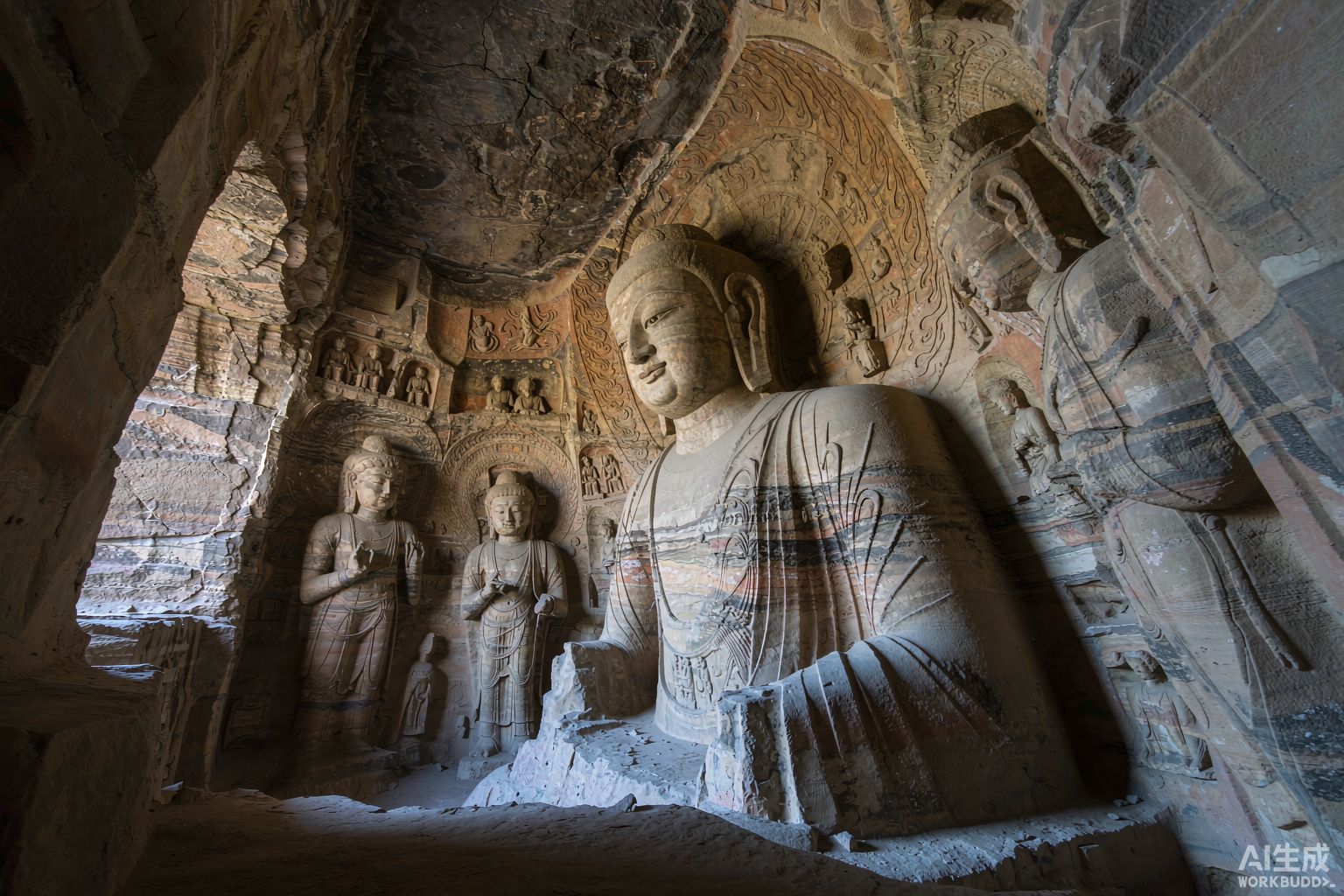
Buddhism Arrives: The Grottoes Era
How a Silk Road religion became Chinese - and where you walk through the evidence.
Read →
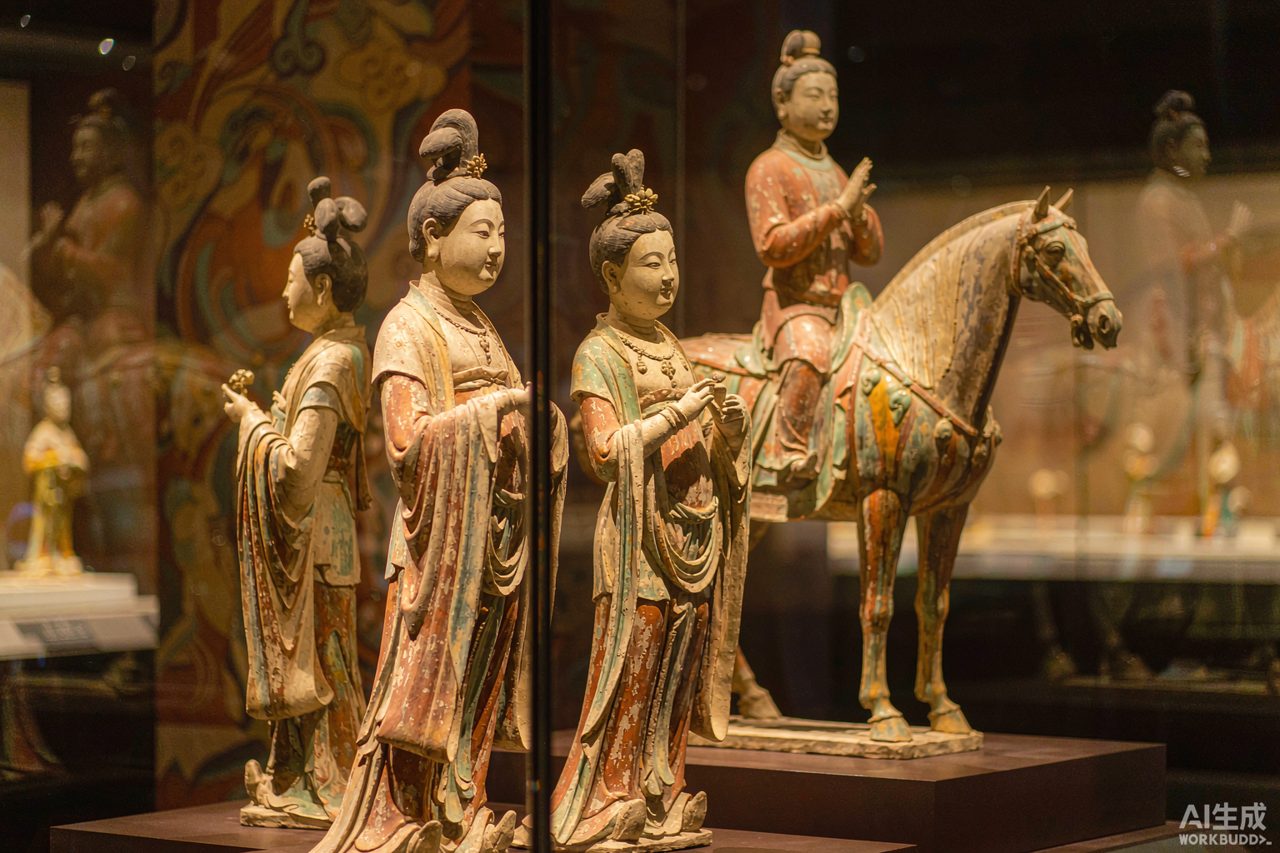
Tang: The Cosmopolitan Peak
The open empire - poetry, foreign quarters, and the confidence you can still photograph.
Read →
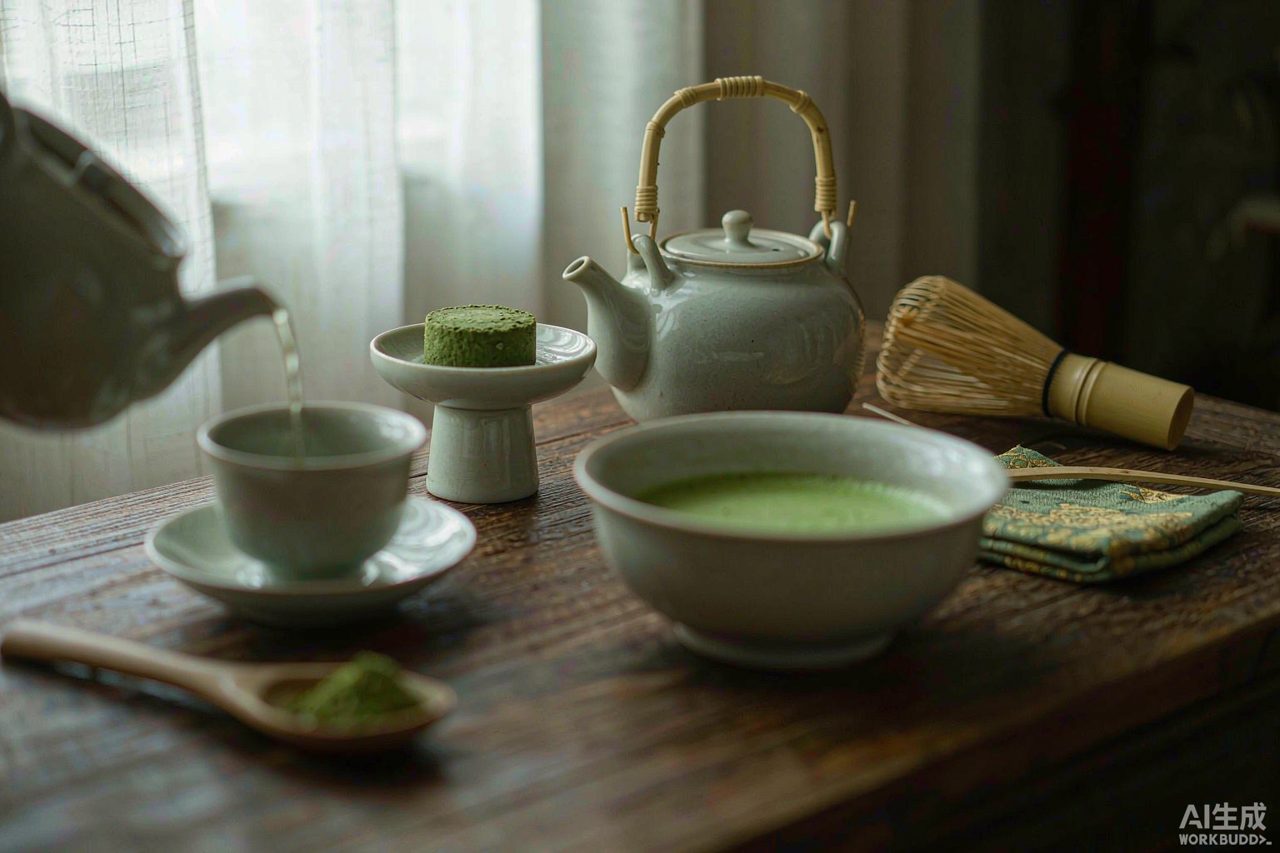
Song Refinement: Tea, Porcelain, and the Exam Life
The dynasty that made China refined - taste, scholarship, and the everyday aesthetic you eat and drink in.
Read →
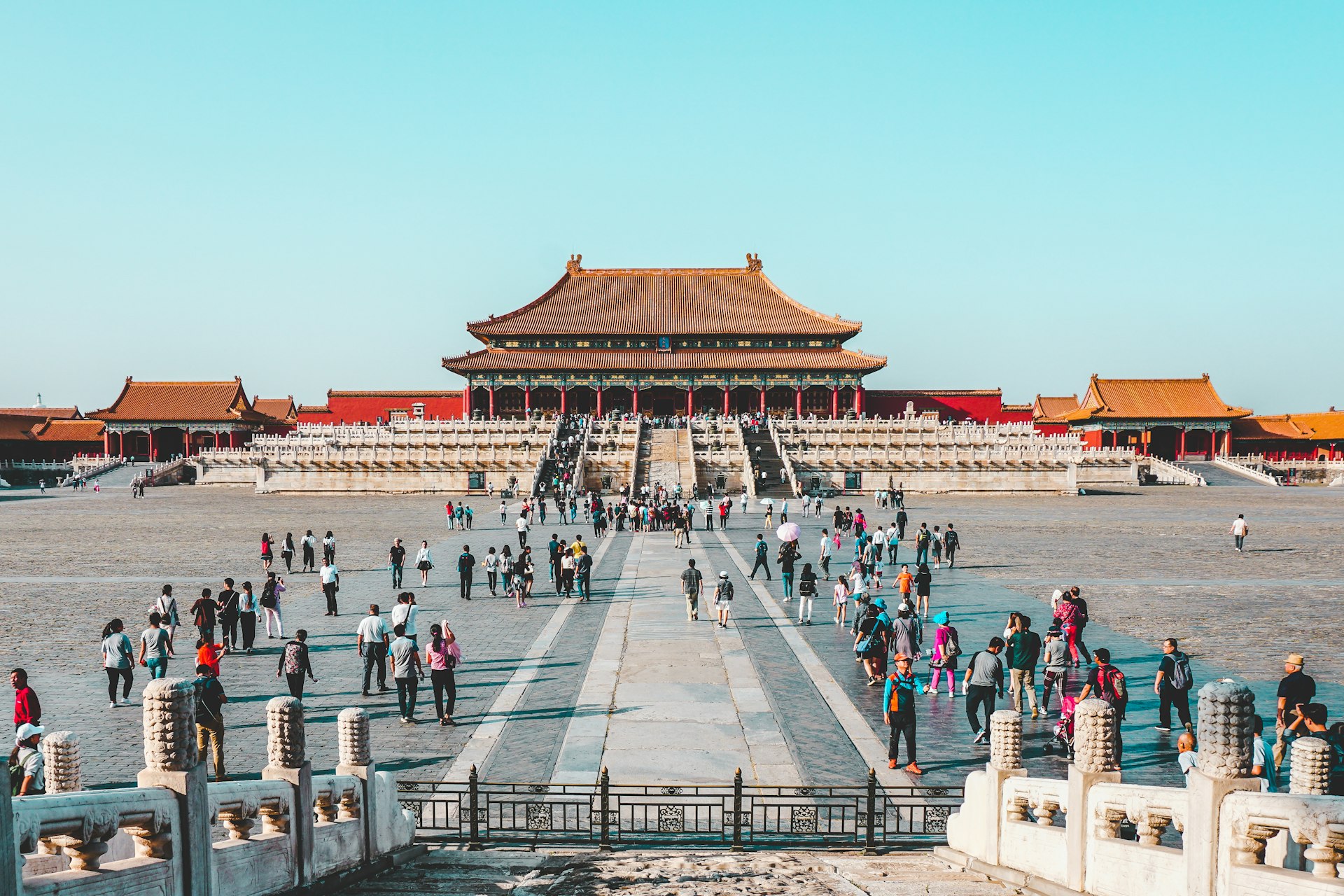
Ming and Qing: The Orthodox Centuries
The last empires - ritual, family hierarchy, and the architecture of order you photograph in Beijing.
Read →
Something missing on this page?Ask us →
Comments (0)
No comments yet — be the first.