Why We Talk About Culture

China rewards a second look. A decoder for what you will actually see — not a history lecture.

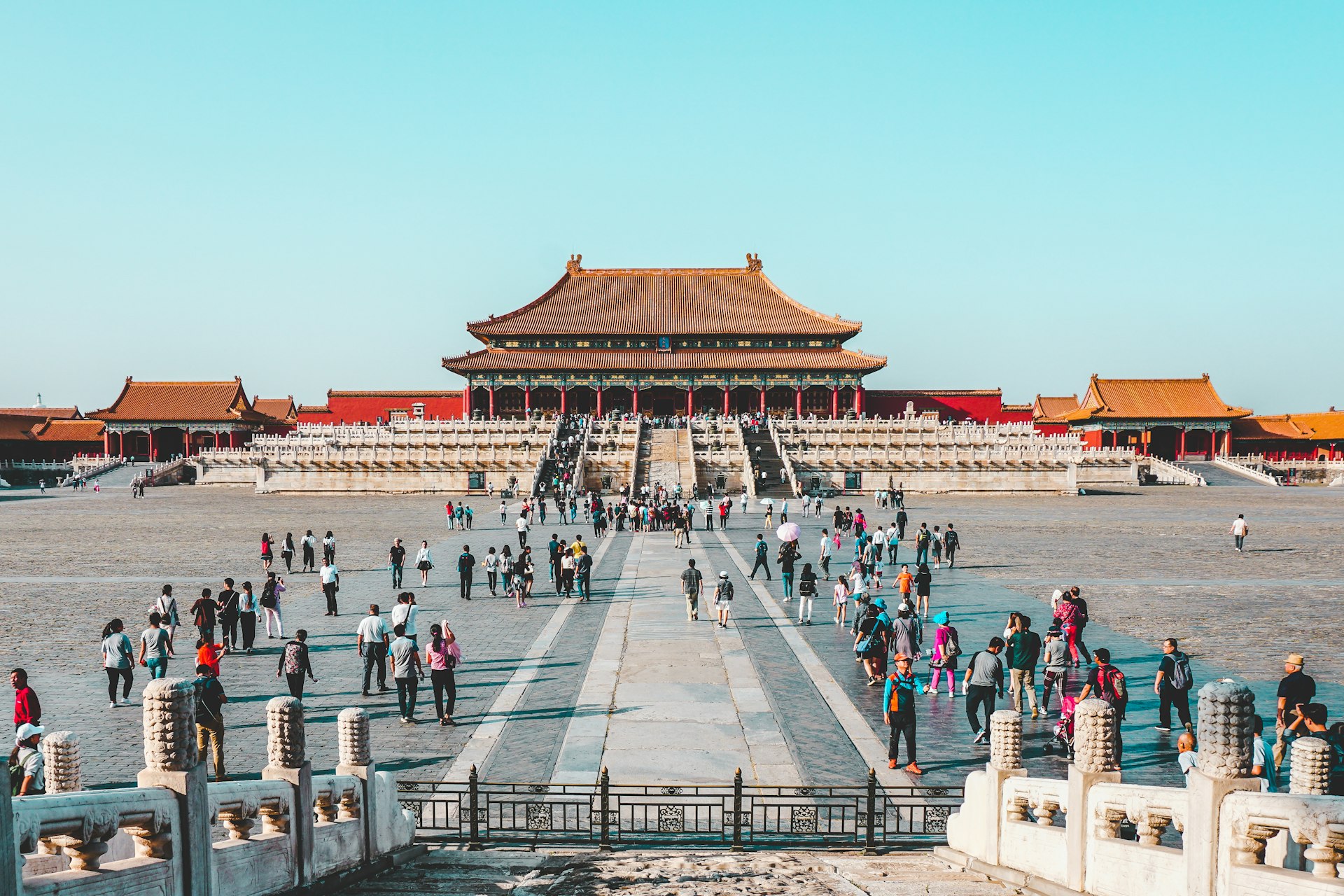
Most itineraries treat culture as background noise between photo stops. We think it's the opposite: the Forbidden City, a temple hall, a plate of dumplings — each rewards a second look if you know what you're looking at.

Two pages do the work:

  • Roots — how Chinese thinking took shape, in a timeline you can actually hold onto: from early river-valley settlements, through the Hundred Schools of Thought, to the ideas that still shape daily behavior.
  • What You Will See — a decoder for the things on your itinerary: calligraphy, opera face paint, temple roofs, tea, kung fu. What you're looking at, and why it matters.
You've already met China

Before any travel planning, you already know this country - you just met it through other doors. Our culture pages re-open them, one by one.

🍵
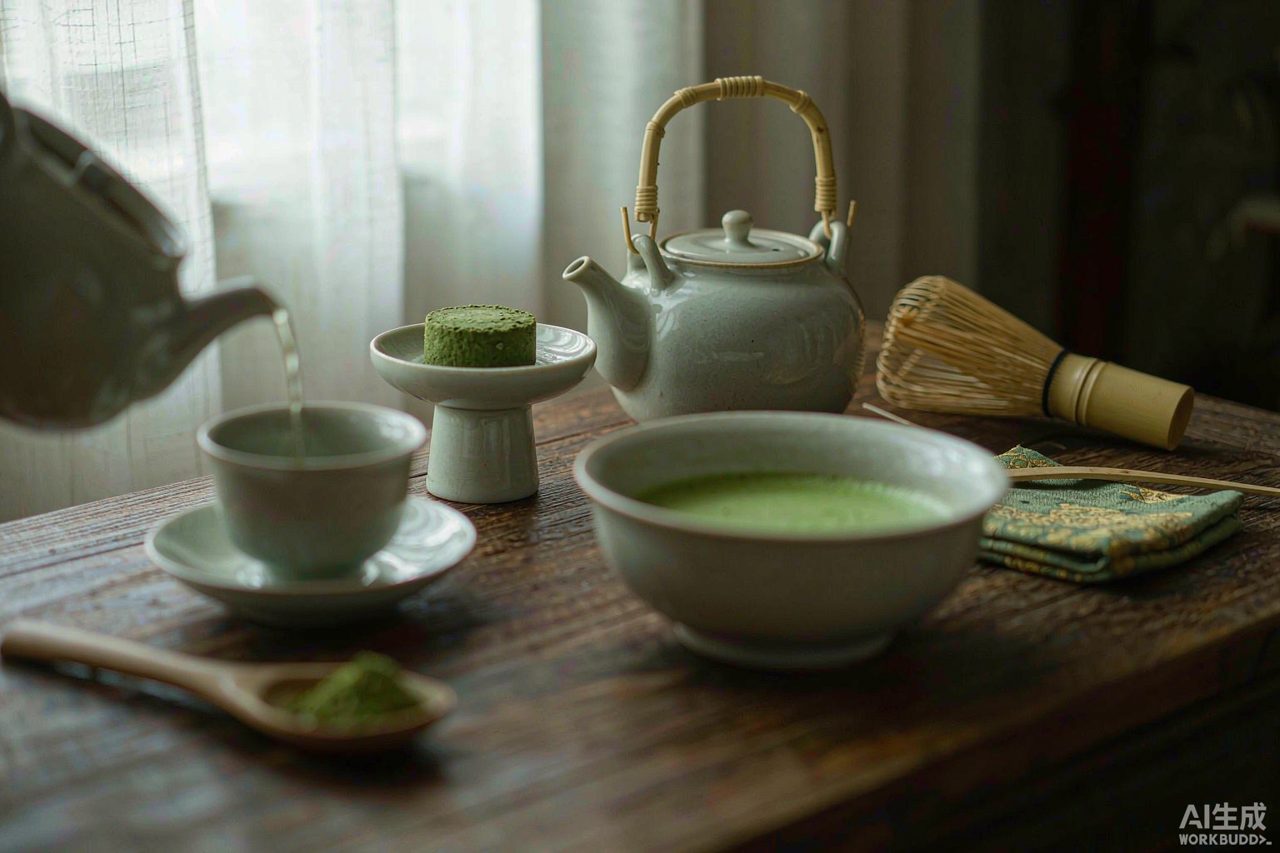
The tea ceremony you know is Chinese
Tea culture crossed to Japan and came back to the West wearing a kimono. The original tea mountains, and the philosophy of tea, are in China.
🥋
You have already met kung fu
Bruce Lee, Jackie Chan, every "kung fu panda": Chinese martial arts reached the world through cinema long before you thought about a visa.
🏛️
Voltaire kept a portrait of Confucius
Enlightenment Europe read Confucius as a moral philosopher. The ideas you associate with the West's own history were shaped in dialogue with China.
See what you'll actually see →
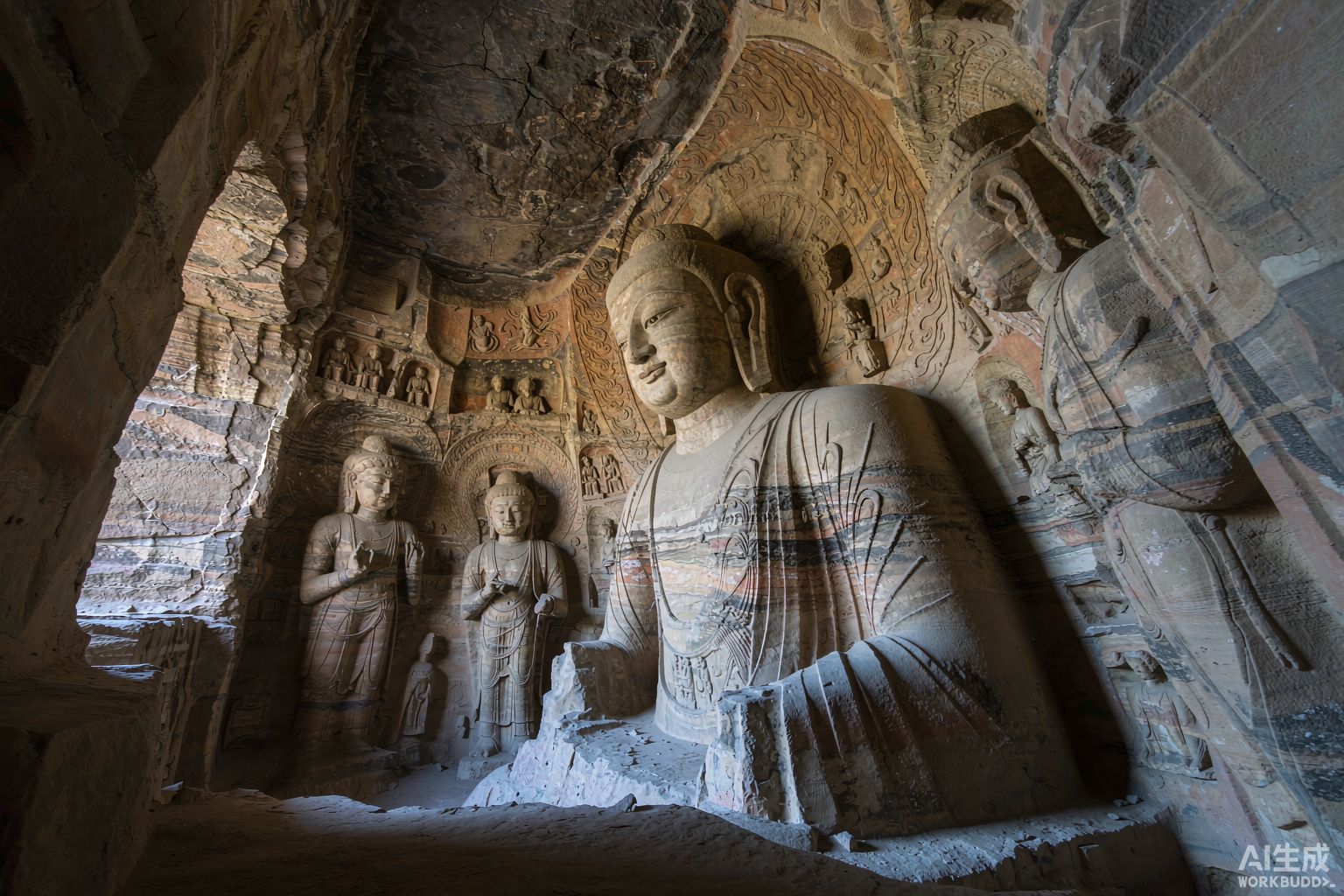
Buddhism Arrives: The Grottoes Era
How a Silk Road religion became Chinese - and where you walk through the evidence.
Read →
Tang: The Cosmopolitan Peak
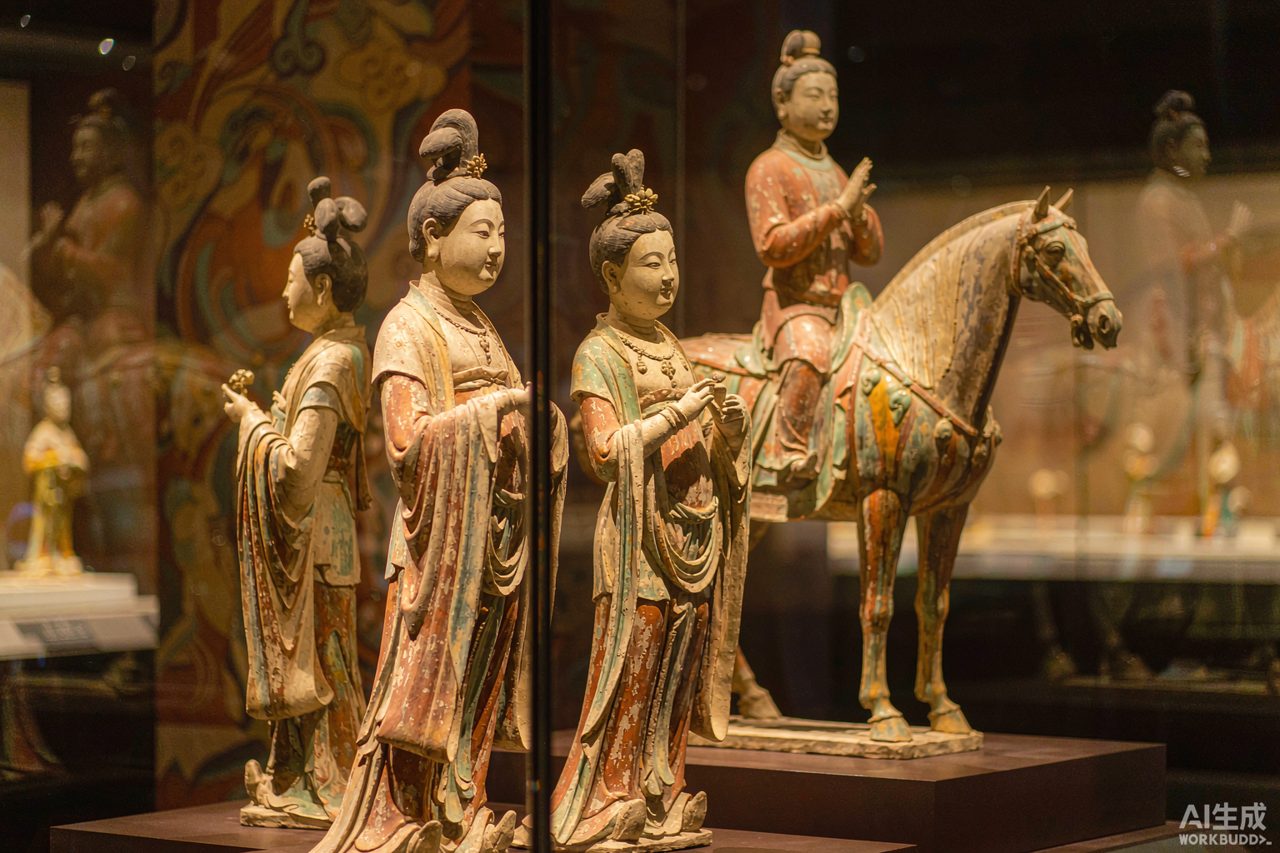
The open empire - poetry, foreign quarters, and the confidence you can still photograph.
Read →
Song Refinement: Tea, Porcelain, and the Exam Life
The dynasty that made China refined - taste, scholarship, and the everyday aesthetic you eat and drink in.
Read →
Ming and Qing: The Orthodox Centuries
The last empires - ritual, family hierarchy, and the architecture of order you photograph in Beijing.
Read →
Calligraphy: Writing as the Highest Art
Writing as the highest art - why brushwork outranks painting, and how to look at a plaque like a local.
Read →
Opera Face Paint: A Color Code You Can Read
A color code, not makeup - red is loyalty, white is treachery. Read the face, know the plot.
Read →
Tea: Social Protocol First, Drink Second
Social protocol first, drink second - the gesture economy of the cup, and why you were just refilled.
Read →
Kung Fu: Self-Cultivation, Not Just Fighting
Martial art as self-cultivation - what the morning park crowds are actually doing.
Read →
Curved Roofs: Drainage That Became Cosmology
Drainage that became cosmology - why the eaves lift, and what the little roof animals are ranking.
Read →
Courtyard Houses: The Family Built in Brick
Family architecture - generations arranged by seniority around a central court, ethics built in brick.
Read →
Festival Foods: A Calendar You Can Eat
A calendar you can eat - dumplings, mooncakes, and the family obligations each food binds.
Read →
Hanfu: Tradition as Identity Statement
Tradition as identity statement - why young Chinese dress in dynastic robes at scenic spots.
Read →
The Inverted Fu: Wordplay on a Door
Fortune" deliberately pasted upside down - homophones as folk engineering on every doorway.
Read →
Lion Statues: Guardians in Pairs
Guardians in pairs - the cub and the ball, reading gender, rank, and protection at any doorway.
Read →
Something missing on this page?Ask us →